Grooming Your Munchkin: Brushing, Baths and Nail Care
Longhair or shorthair, here is a simple grooming routine that keeps your Munchkin comfortable and mat-free.
A frank look at the short-leg gene, why registries disagree and the questions that separate responsible breeders from risky ones.
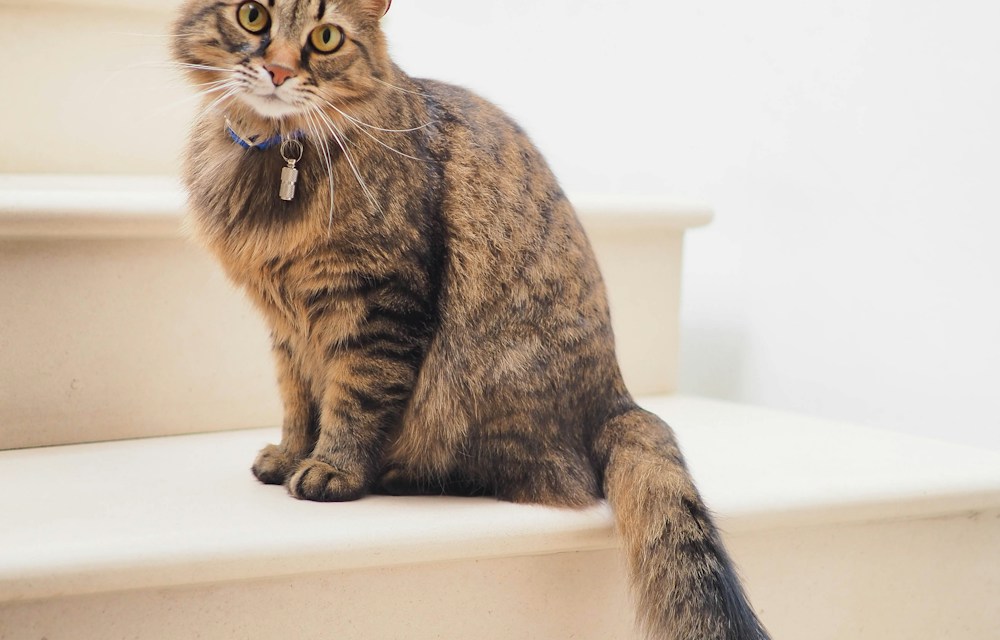
If you are researching Munchkins, you will find passionate fans and serious critics. Both deserve a fair hearing, and so do you.
The trait is caused by a dominant gene. A kitten with one copy has short legs. Kittens that inherit two copies do not survive, which is why responsible breeders never pair two Munchkins together. They breed Munchkin cats to normal-leg cats only.
Some cat associations decline to recognize the breed because of concerns that the gene may affect the skeleton. Others, including TICA, do recognize it. Long-term studies are limited, so honest breeders say what is known and what is not.
Short-legged cats may face spinal curvature, a sunken chest or joint wear more often than other cats. Many Munchkins never develop problems, but you should know the possibilities and see a vet regularly.
We raise kittens at home, keep litters small, give a written health guarantee and welcome tough questions. Read the FAQ or contact us to ask yours.
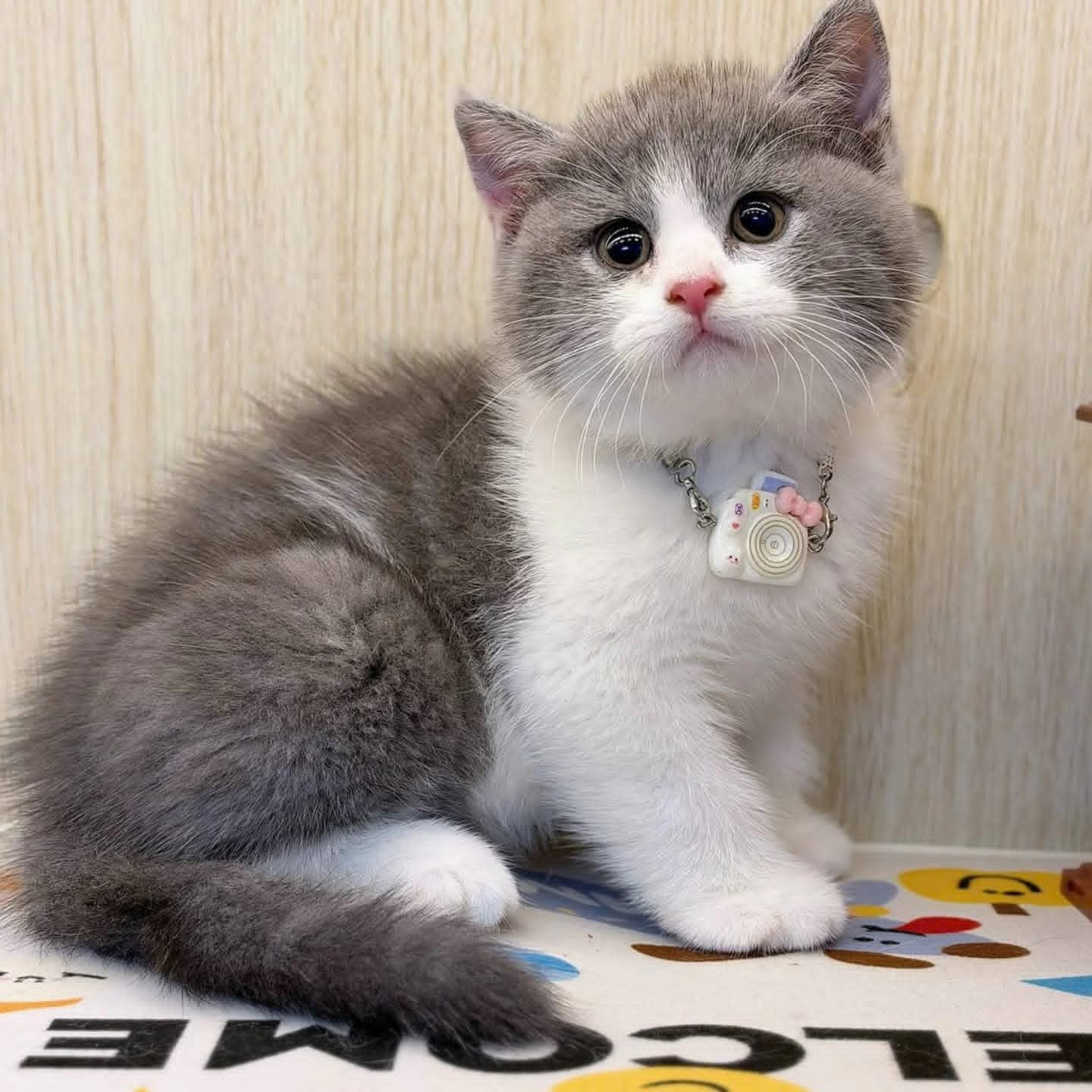 Available
Blue Bi-color shorthair · sex to be confirmed
Gray-and-white markings, with a small collar visible.
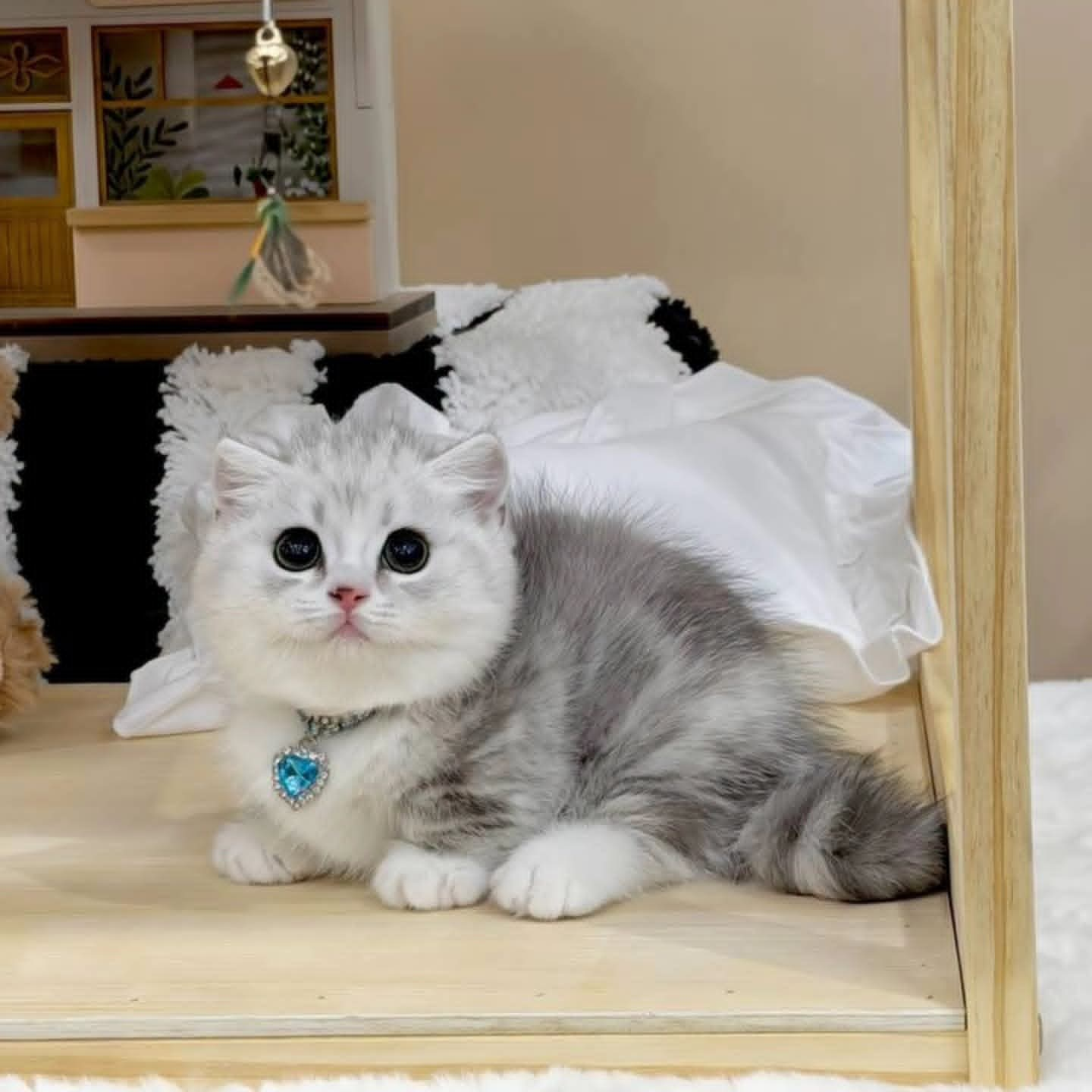 Available
Blue Bi-color longhair · sex to be confirmed
A fluffy gray-and-white coat, photographed in a small nook.
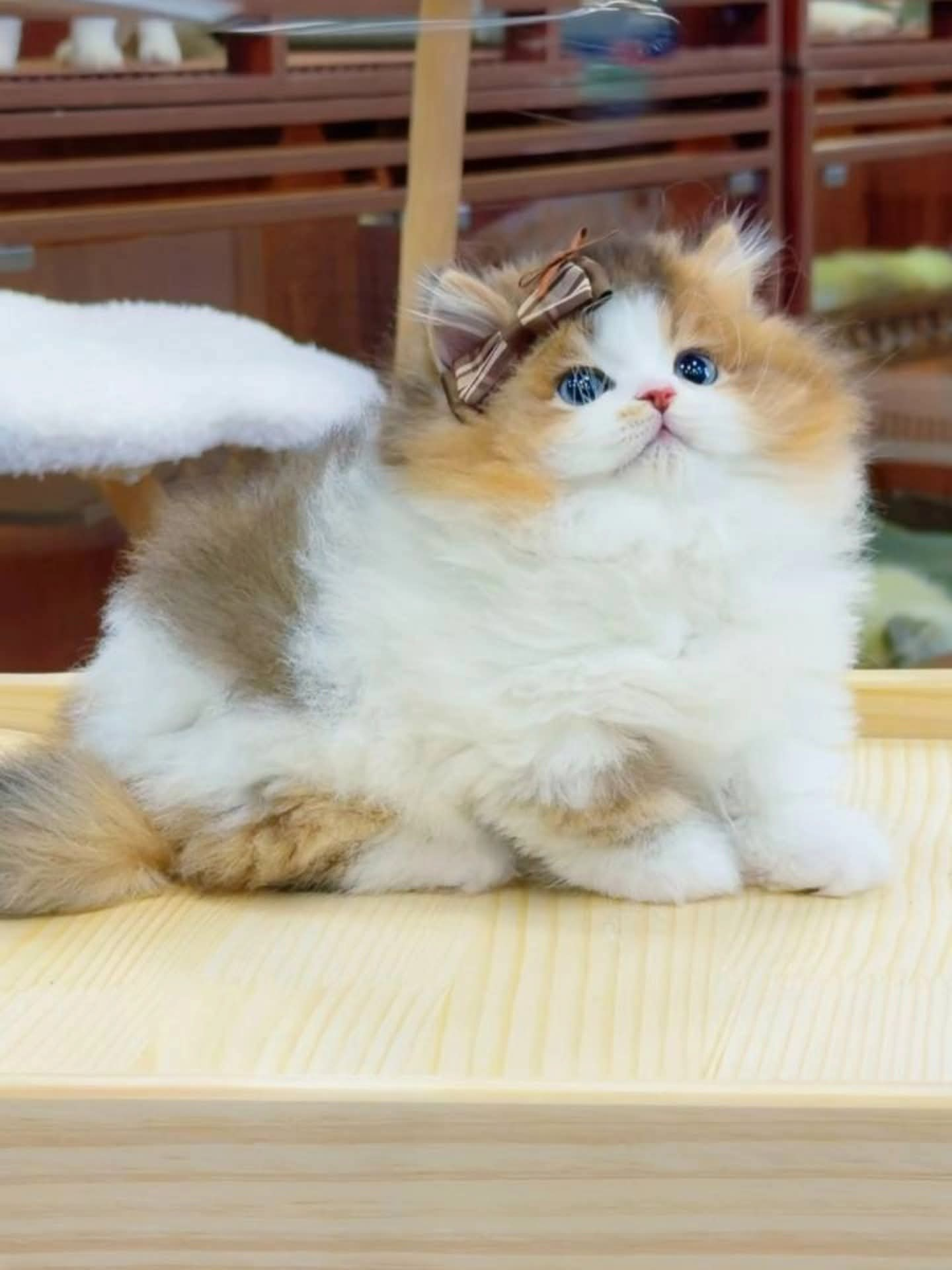 Available
Calico longhair · sex to be confirmed
A long, fluffy coat with cream, gray, and white patches.
Longhair or shorthair, here is a simple grooming routine that keeps your Munchkin comfortable and mat-free.
A day-by-day look at bringing your kitten home, from the first vet visit to building a routine that sticks.
Tabby, calico, tortoiseshell, bi-color, colorpoint and solid: what each pattern looks like and what to expect.