Grooming Your Munchkin: Brushing, Baths and Nail Care
Longhair or shorthair, here is a simple grooming routine that keeps your Munchkin comfortable and mat-free.
What and how often to feed a growing Munchkin kitten, and why a lean body matters more for short-legged cats.
Good nutrition builds strong bones, a shiny coat and a healthy weight, and weight matters a little more for a short-legged cat. Always follow your veterinarian's advice, and use this as a general guide.
Pick a high-quality food labeled for growth or all life stages. Kittens need more protein and calories than adults. Wet food adds hydration, and many owners combine wet and dry.
Extra weight puts pressure on the spine and joints. Measure portions rather than free-feeding, count treats toward daily calories and ask your vet to score your cat's body condition at every visit.
Change food gradually over seven to ten days, mixing more of the new food in each day, to avoid an upset stomach.
Offer fresh water daily. A fountain or several wide bowls encourage drinking.
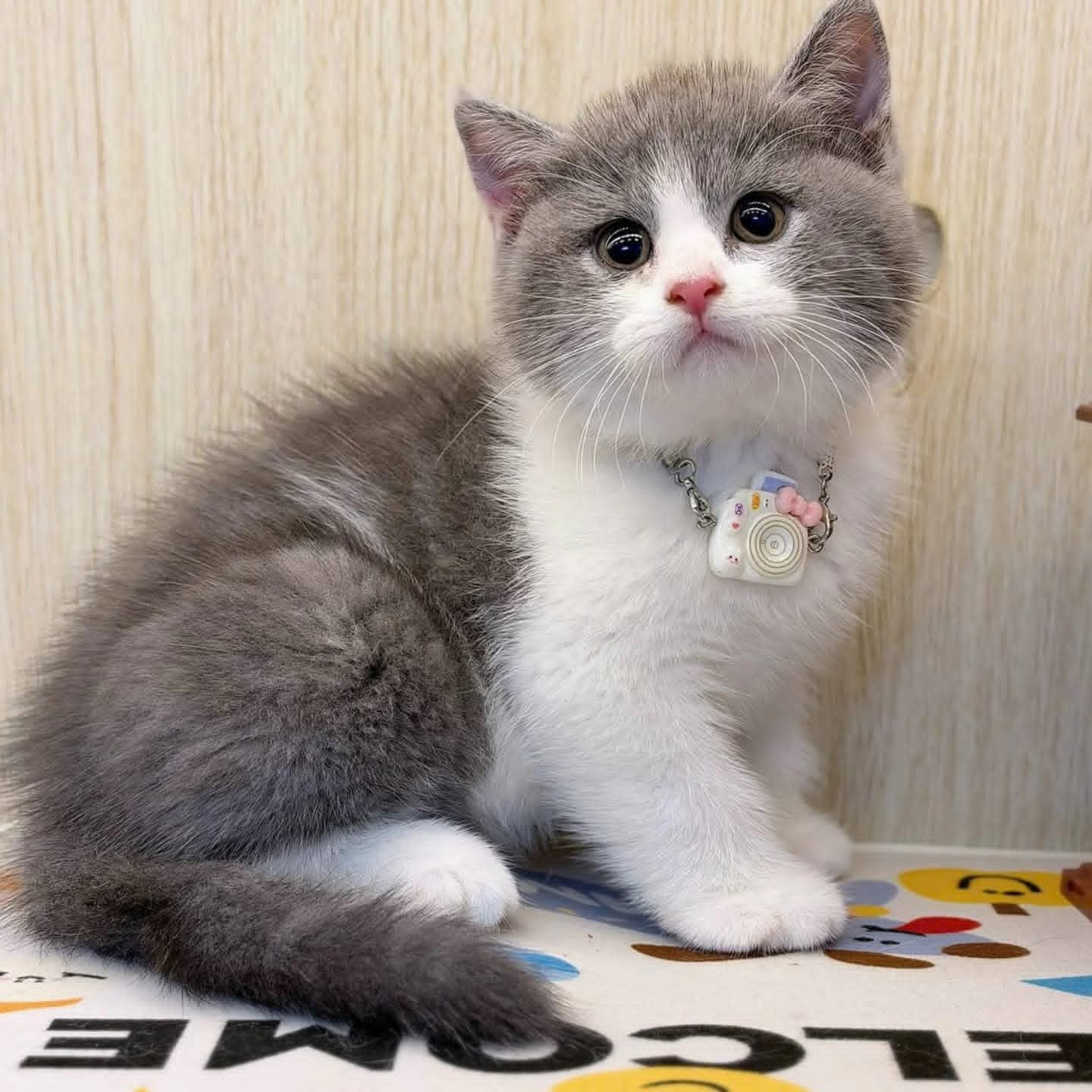 Available
Blue Bi-color shorthair · sex to be confirmed
Gray-and-white markings, with a small collar visible.
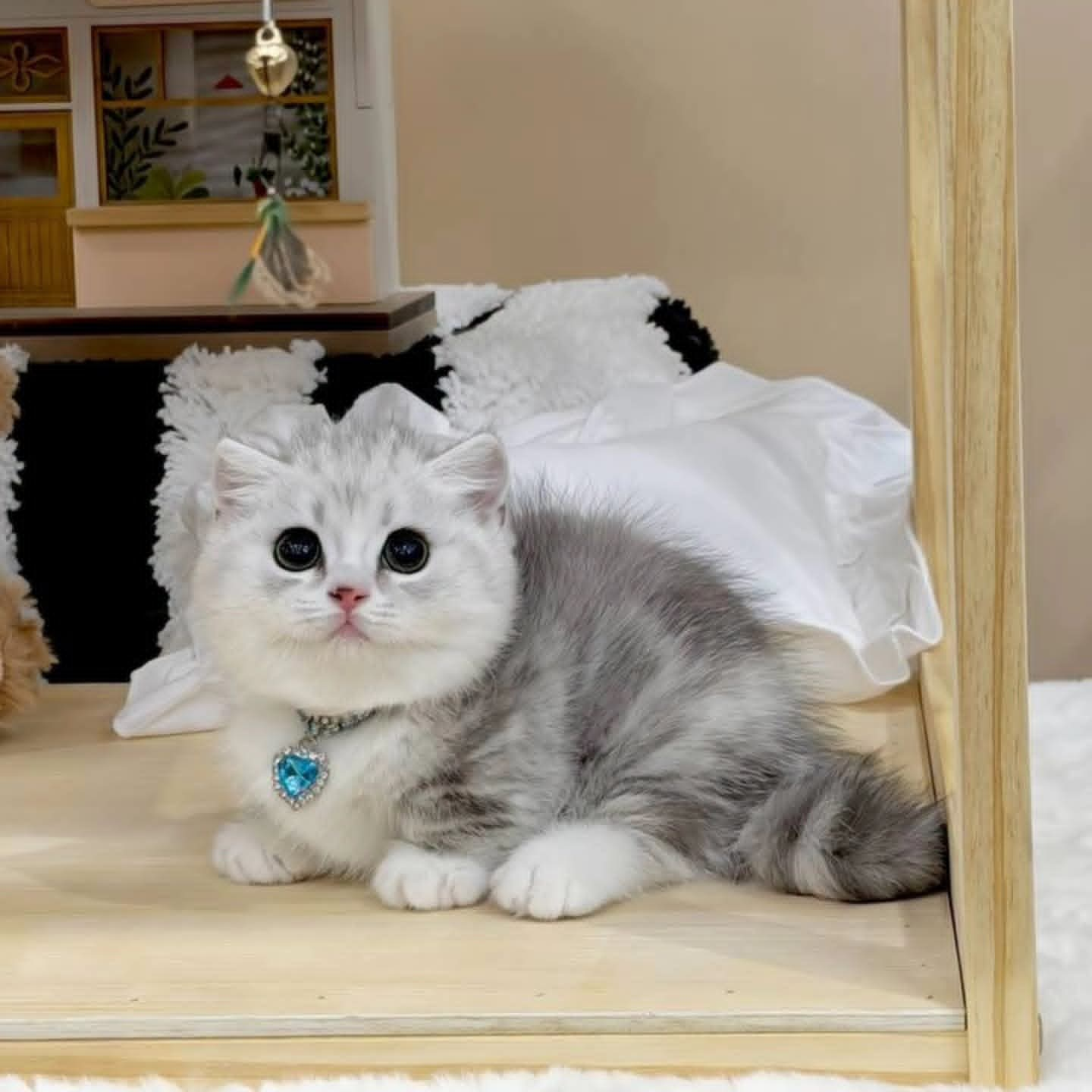 Available
Blue Bi-color longhair · sex to be confirmed
A fluffy gray-and-white coat, photographed in a small nook.
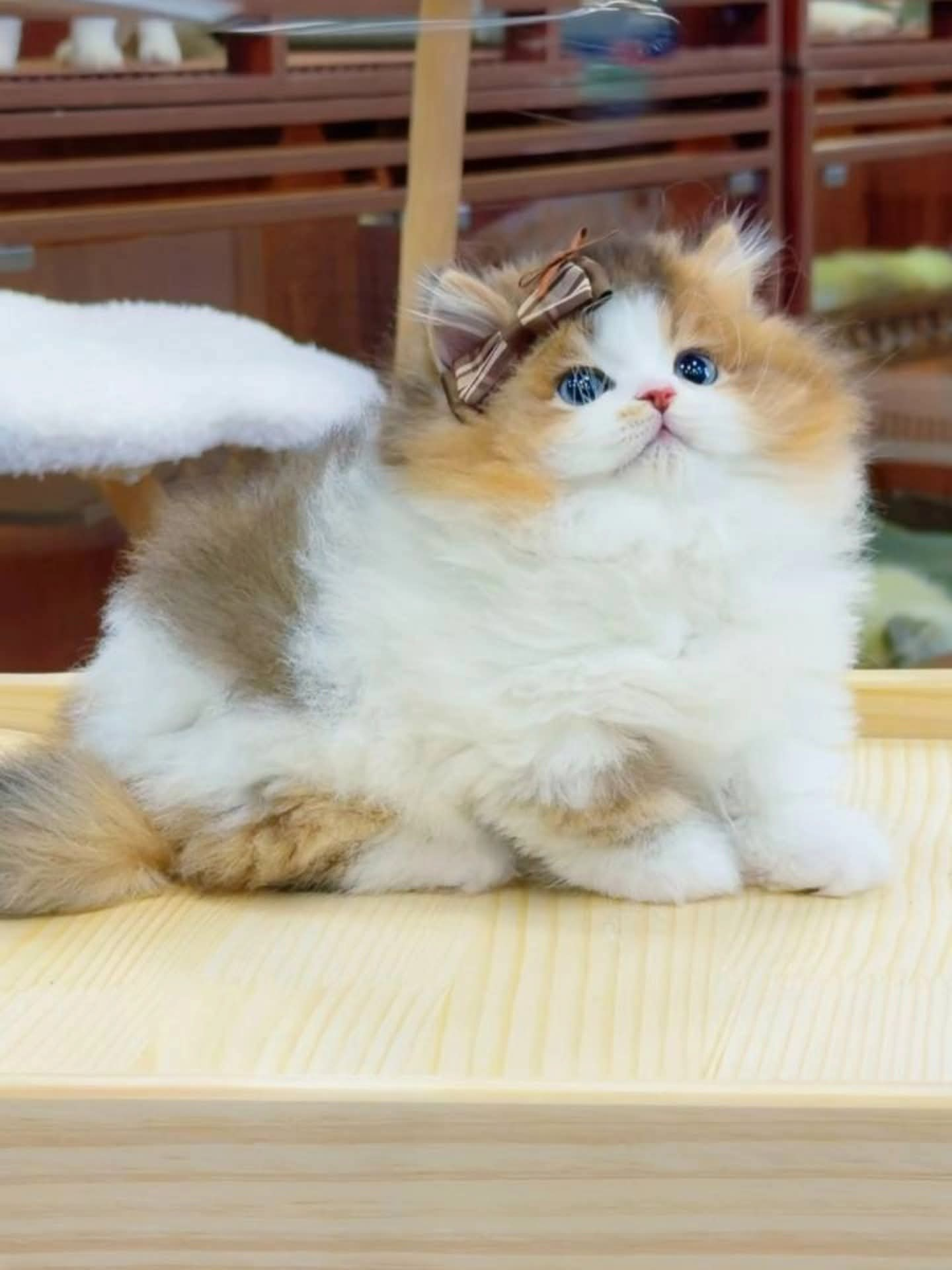 Available
Calico longhair · sex to be confirmed
A long, fluffy coat with cream, gray, and white patches.
Longhair or shorthair, here is a simple grooming routine that keeps your Munchkin comfortable and mat-free.
A day-by-day look at bringing your kitten home, from the first vet visit to building a routine that sticks.
Tabby, calico, tortoiseshell, bi-color, colorpoint and solid: what each pattern looks like and what to expect.